
Blogs and insights
Sunroom Upgrades Worth the Investment: Heating, Lighting, and More
📅 Published on
August 19, 2026
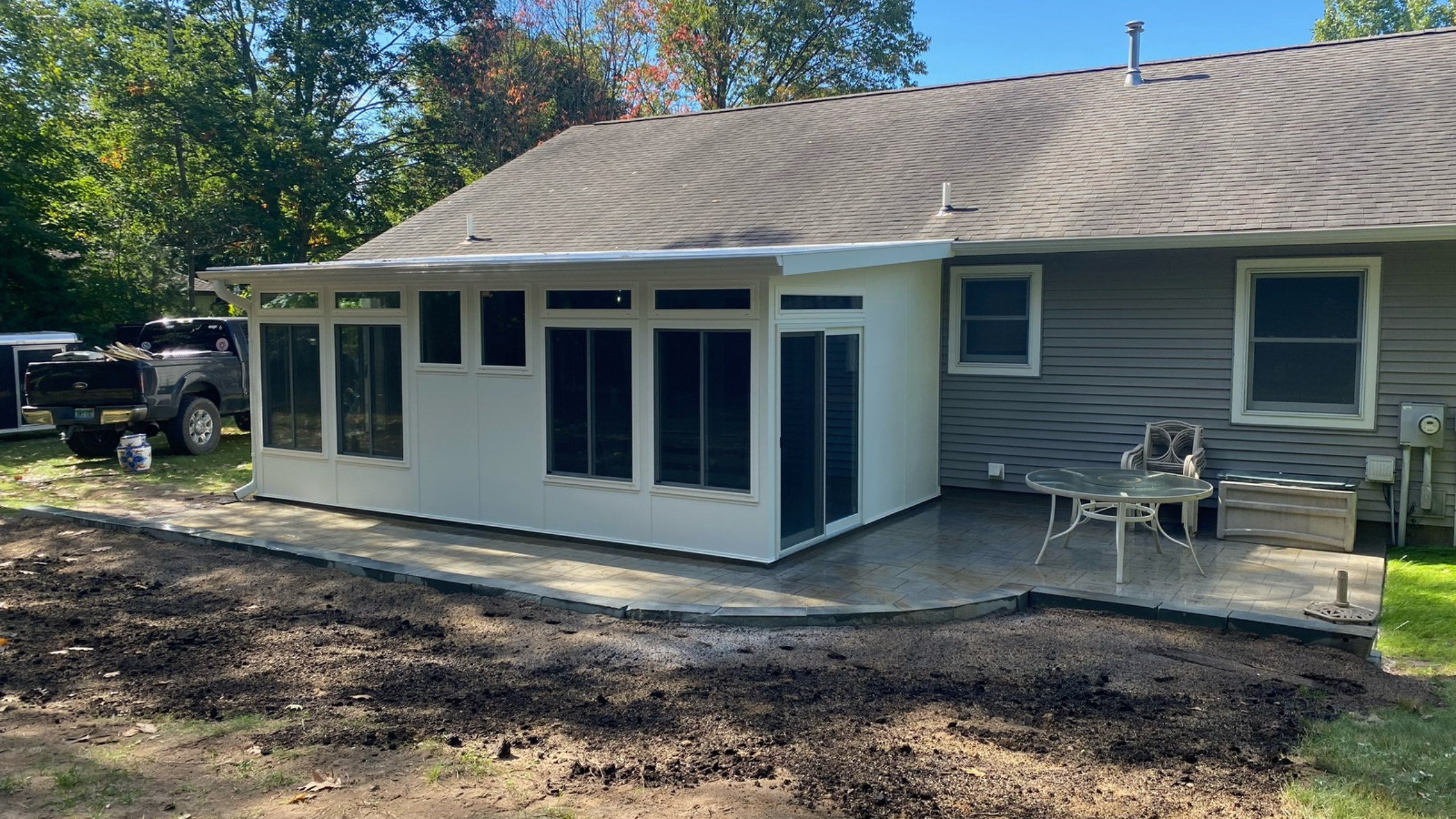
A sunroom can quickly become one of the most enjoyable spaces in a home. It offers abundant natural light, views of the outdoors, and a comfortable place to relax without being completely exposed to the weather. But how useful that room is throughout the year often depends on the features included in its design.
The right sunroom upgrades can make the space more comfortable, functional, energy-conscious, and suited to the way your family actually lives. Heating and cooling can extend the room's usable season. Thoughtful lighting makes it enjoyable after sunset. Ceiling fans improve airflow, while shades help control glare and heat. Flooring, electrical planning, and other practical features can also make a significant difference.
The challenge is determining which upgrades are worth the investment and which ones may not provide enough value for your particular sunroom.
For Michigan homeowners, that decision deserves particular attention. Seasonal temperature changes mean a feature that seems optional during a mild summer afternoon can become much more important during a cold fall morning or a hot July day.
This guide examines the sunroom features that can provide the greatest practical value and explains what to consider before investing in each one.
What Makes a Sunroom Upgrade Worth the Investment?
Not every upgrade needs to increase the resale value of your home dollar for dollar to be worthwhile. A better way to evaluate a sunroom feature is to consider how much it improves the room's comfort, usability, convenience, and longevity.
A sunroom that becomes uncomfortably warm on sunny summer afternoons, for example, may benefit far more from improved shading or climate control than from decorative upgrades. Likewise, a room that is comfortable during the day but rarely used at night may need better lighting before it needs new furniture.
Before selecting upgrades, consider four questions:
- Does the upgrade allow you to use the room more often?
- Does it solve an existing comfort problem?
- Will it make the space easier to maintain or operate?
- Does it suit how your household plans to use the room?
Homeowners who are still planning their project have an advantage because many of these decisions can be incorporated into the original design. Working with an experienced sunroom installation company can help you consider comfort, layout, windows, ventilation, and other practical details before construction begins.
If your sunroom already exists, upgrades can still make a major difference. The key is identifying the features that address the room's actual weaknesses rather than simply adding more features.
Heating and Cooling: One of the Most Valuable Sunroom Upgrades
For many homeowners, climate control is the first place to consider investing.
A room surrounded by large expanses of glass responds differently to outdoor temperatures and direct sunlight than many conventional interior rooms. During warmer months, solar heat gain can make an inadequately controlled sunroom uncomfortable. During a Michigan winter, cold exterior temperatures can have the opposite effect.
The right heating and cooling strategy can therefore determine whether your sunroom is an occasional seasonal space or a room your household uses much more frequently.
Ductless Mini-Split Systems
A ductless mini-split is one option homeowners may consider when they want independent temperature control. These systems can provide both heating and cooling without requiring the sunroom to rely entirely on the home's existing ductwork.
Independent control can be particularly useful because the sunroom may have different comfort requirements from adjoining rooms.
The suitability of a mini-split depends on the sunroom's construction, insulation, size, electrical capacity, intended seasonal use, and other project-specific factors. It should be properly sized rather than selected solely according to room dimensions.
Extending an Existing HVAC System
In some projects, homeowners may wonder whether their home's existing heating and cooling system can simply be extended into the sunroom.
That decision requires more than adding a vent. The existing HVAC equipment must be capable of handling the additional conditioned space, and the sunroom itself must be appropriate for the intended type of climate control. Insulation, glazing, air sealing, and local requirements can all affect the decision.
If you are still determining what kind of room makes sense for your property, understanding the differences between a sunroom and an enclosed patio can help clarify how construction and intended use influence comfort expectations.
Supplemental Heating
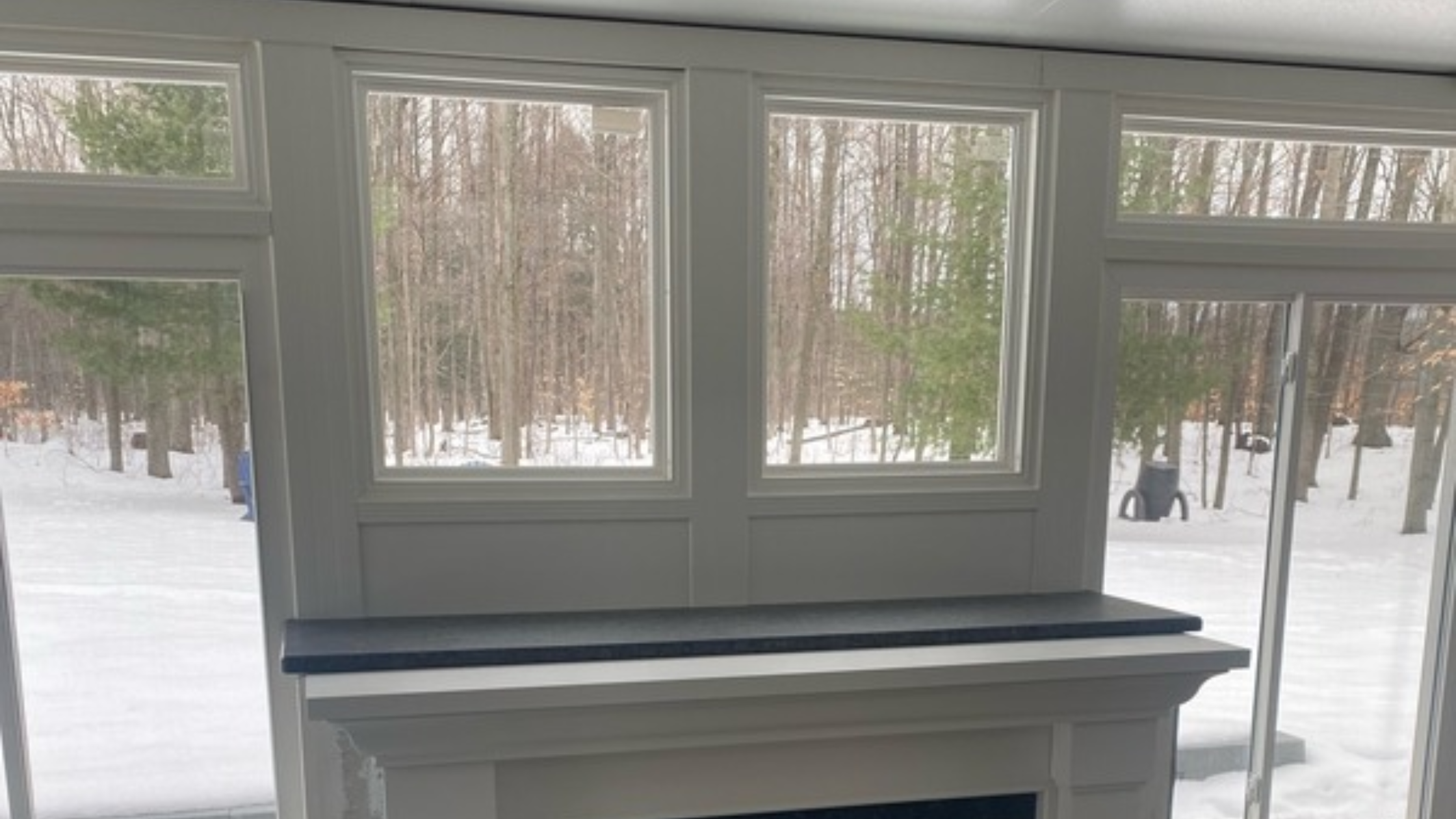
Depending on the room and how it is constructed, supplemental heat may also be considered for cooler periods. Options can include electric heating solutions or radiant floor systems.
Radiant floor heating is particularly appealing to some homeowners because it addresses a comfort issue that can be noticeable in glass-heavy rooms: cold floors. Instead of relying only on warmed air, radiant systems warm the floor surface itself.
However, adding radiant heat can involve more planning and expense than purchasing a simple portable heater. It is generally easier to consider during construction or a flooring renovation than after a finished floor is already in place.
Insulation and Glass Matter Before You Add More Heat
Installing a larger heating system is not necessarily the best answer to a sunroom that loses heat quickly.
The performance of the room itself matters.
Windows, doors, wall construction, roof construction, air sealing, and insulation all influence how well a sunroom retains conditioned air. If these elements are poorly suited to year-round use, adding more heating or cooling may address the symptom without addressing the underlying problem.
This is why homeowners planning sunroom upgrades should think about the room as a complete system. Better thermal performance can complement heating and cooling equipment rather than forcing that equipment to compensate for unnecessary heat gain or loss.
The distinction becomes especially important when comparing three-season and four-season spaces. A room designed primarily for mild-weather use has different expectations from one intended to remain comfortable through a Northern Michigan winter.
For homeowners considering a new addition rather than upgrading an existing room, it is worth thinking about these decisions from the beginning. American Awning & Sunrooms' guide to what to expect during a sunroom installation provides additional context on how a sunroom project progresses from planning through installation.
Ceiling Fans and Ventilation Can Make a Big Difference
Climate control is important, but comfortable temperatures are only part of what makes a sunroom enjoyable. Air movement also affects how the space feels.
Because sunrooms receive substantial sunlight through their windows, warm air can build up even when outdoor temperatures are relatively comfortable. A ceiling fan can help circulate that air and make the room feel more pleasant without requiring homeowners to immediately lower the thermostat.
Why a Ceiling Fan Is Worth Considering
A properly sized ceiling fan can provide several practical benefits:
- Improves air circulation throughout the room
- Helps occupants feel cooler during warm weather
- Distributes conditioned air more evenly
- Can help circulate warm air during cooler months when operated appropriately
- Adds functionality without occupying floor space
For sunrooms with high or vaulted ceilings, air circulation may be particularly useful because warm air naturally collects higher in the room.
Ceiling fans are generally most effective as part of a broader comfort strategy rather than as a replacement for heating or air conditioning. A fan moves air, but it does not actually lower the room's air temperature.
Operable Windows and Natural Ventilation
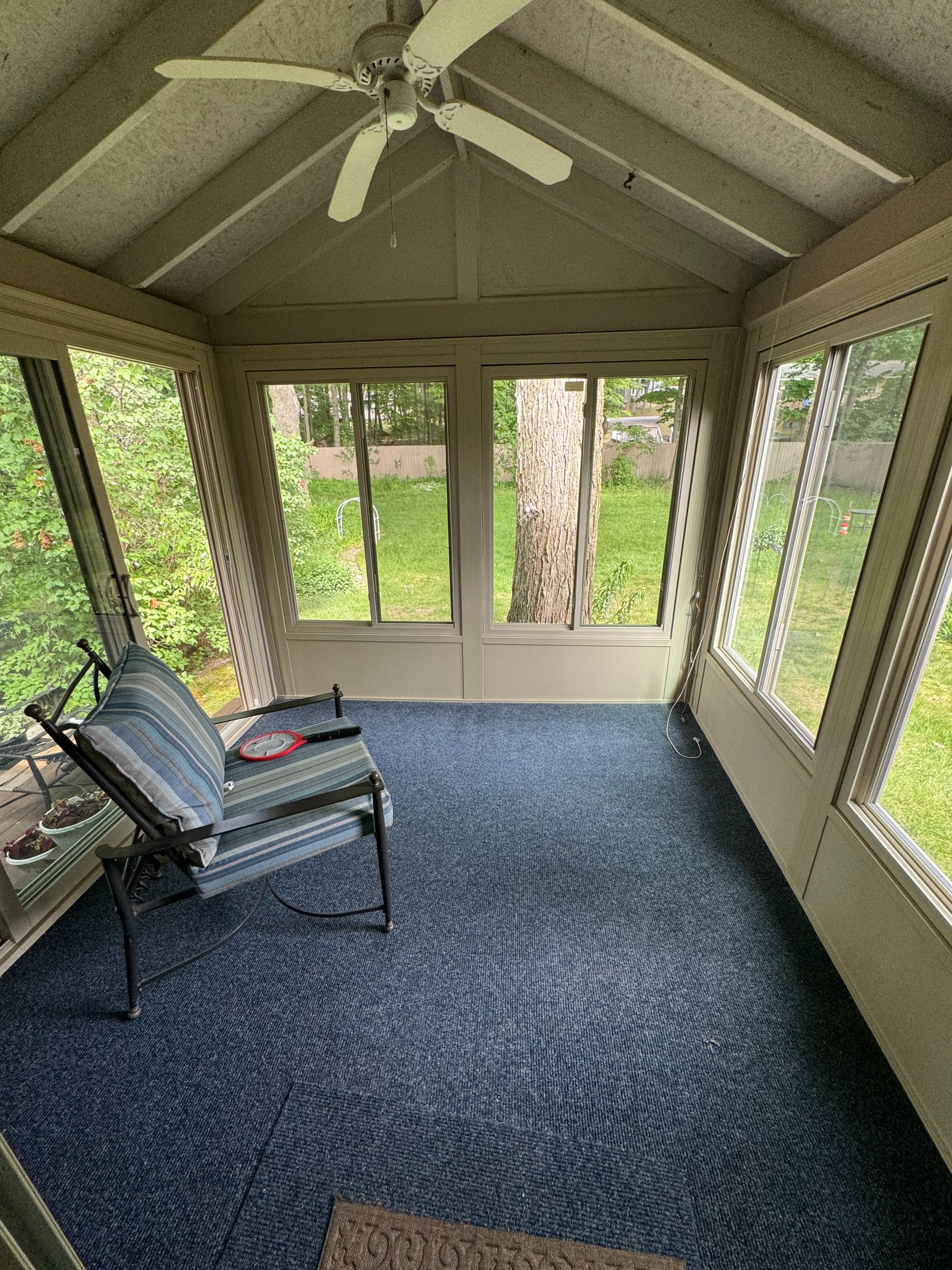
Mechanical ventilation is not the only option.
Operable windows allow homeowners to take advantage of pleasant Michigan weather during spring, summer, and fall. Opening windows on different sides of the room can encourage cross-ventilation and help warm air escape.
This is one of the characteristics that makes a sunroom different from a conventional interior room. On a comfortable day, you can open the windows and enjoy fresh air while retaining protection from insects and much of the outdoor environment.
Homeowners deciding how much enclosure they want may also find it helpful to compare a sunroom with a screened-in porch. Each creates a connection to the outdoors, but the level of enclosure and seasonal protection differs.
Lighting Upgrades Make Your Sunroom Useful After Sunset
Natural light is one of the biggest reasons homeowners love sunrooms. During daylight hours, large windows can provide enough illumination that artificial lighting barely seems necessary.
That changes quickly when the sun goes down.
Without a thoughtful lighting plan, a beautiful daytime retreat can become surprisingly dark and less functional in the evening. That makes lighting one of the most practical sunroom upgrades, particularly for homeowners who want to use the room for dining, entertaining, reading, hobbies, or relaxing at night.
The most effective approach is usually layered lighting rather than relying on a single bright fixture.
Ambient Lighting
Ambient lighting provides the room's general illumination.
Depending on the ceiling design and construction, this might include:
- Recessed lighting
- Flush-mount ceiling fixtures
- Pendant lights
- Chandeliers
- Ceiling-fan light kits
The objective is comfortable, even illumination rather than overwhelming brightness.
Dimmable fixtures can be especially useful because a sunroom may serve several purposes. Bright lighting may work well when playing games or entertaining guests, while softer lighting can create a more relaxed atmosphere later in the evening.
Task Lighting
Task lighting focuses light where specific activities occur.
If part of the sunroom will be used as a reading area, a floor or table lamp beside a chair may be more useful than increasing the brightness of every ceiling fixture.
Similarly, homeowners using their sunroom as a dining space, home office, hobby area, or multipurpose family room should consider where focused illumination will be needed.
Planning furniture placement before finalizing electrical and lighting locations can prevent awkward arrangements later.
Accent Lighting
Accent lighting is less about basic visibility and more about atmosphere.
Wall sconces, architectural lighting, decorative lamps, or subtle lighting around specific features can make the sunroom feel more finished and inviting.
Exterior lighting may also affect the experience inside the room. Since large windows create expansive views after dark, thoughtfully illuminated landscaping or adjoining outdoor living areas can become part of the visual environment rather than disappearing into darkness.
Electrical Planning Is an Easy Upgrade to Overlook
Electrical outlets may not be the most exciting part of a sunroom project, but insufficient electrical planning can become frustrating once the room is furnished.
Think about what will actually happen in the space.
Will someone regularly charge a laptop or phone there? Will the room contain a television? Do you want floor and table lamps? Will you plug in holiday decorations? Could the space eventually include powered window treatments or other equipment?
Answering those questions early can help determine outlet and switch placement.
Useful electrical considerations may include:
- Conveniently positioned wall outlets
- Dedicated locations for entertainment equipment
- USB or USB-C charging outlets where appropriate
- Dimmers for lighting
- Separate controls for different lighting zones
- Wiring for ceiling fans
- Electrical provisions for motorized shades
- Smart switches or compatible controls
Adding the appropriate infrastructure while a sunroom is being constructed may be simpler than trying to accommodate changing needs after every wall and finish is complete.
Shades and Window Treatments Help Control Sun and Glare
Abundant glass is one of a sunroom's greatest advantages, but it can also create a few challenges.
Direct sunlight may cause glare on televisions and computer screens, increase solar heat gain, reduce privacy at certain times, and expose furnishings and interior finishes to prolonged sunlight.
Window treatments provide homeowners with more control over those conditions.
Depending on the sunroom and its windows, options may include roller shades, cellular shades, blinds, solar shades, curtains, or motorized systems.
Solar Shades
Solar shades can be particularly useful when homeowners want to reduce glare and solar exposure while preserving some outward visibility.
Different fabrics provide different levels of openness and light control, so the best option depends on the direction of the windows, privacy needs, and how much sunlight enters the room.
Motorized Window Treatments
Motorization can move shades from a decorative feature into the convenience category.
A sunroom may contain many windows, including windows that are tall or difficult to reach. Individually adjusting several shades every morning and evening can become tedious.
Motorized shades allow homeowners to control them more conveniently, and some systems may be integrated with timers or compatible smart-home controls.
That convenience comes at a higher initial cost, so it may not be necessary for every sunroom. It becomes more compelling when there are numerous windows, hard-to-reach areas, or a strong desire for automated solar control.
Choosing Flooring That Works for a Sunroom
Flooring has a major visual impact because it covers such a large portion of the room, but appearance should not be the only consideration.
A sunroom floor may experience strong sunlight, changing temperatures, frequent foot traffic, and dirt or moisture tracked in from nearby outdoor areas. The ideal flooring therefore needs to complement the home's design while being appropriate for the conditions in the room.
Popular possibilities can include:
Luxury Vinyl Flooring
Luxury vinyl is attractive to many homeowners because it is available in numerous styles and can provide relatively easy maintenance.
Products vary considerably, however. Homeowners should confirm that a particular flooring product is suitable for the temperature, sunlight exposure, and installation conditions of their specific sunroom.
Tile
Tile can be durable and easy to clean, making it appealing for a room connected closely to outdoor living areas.
It can also feel cool underfoot, which may be welcome during summer but less appealing in colder months. When appropriate for the construction, homeowners interested in tile may consider whether radiant floor heating would improve winter comfort.
Other Flooring Choices
Engineered flooring and other materials may also be possible depending on the sunroom's construction and environmental conditions.
The important point is not to choose flooring for appearance alone. Manufacturer requirements, moisture, temperature fluctuations, subfloor conditions, direct sunlight, and whether the room is continuously conditioned should all be considered.
Homeowners should also think about maintenance beyond the floor itself. Regular cleaning and inspections help preserve the appearance and condition of the entire space. The company's guide to sunroom and awning maintenance offers related information for protecting these home improvements over time.
Sunroom Upgrade Comparison
The best investment will depend on your existing room, budget, climate, and how frequently you want to use the space. The following comparison provides a practical starting point.
Smart Home Features Add Everyday Convenience
Some of the most useful sunroom upgrades are not immediately visible. Smart controls can make the room easier to manage throughout the day, especially when heating, cooling, lighting, ceiling fans, and window treatments all need occasional adjustment.
Smart technology is not essential for a comfortable sunroom, but it can improve convenience and help homeowners manage the space more efficiently.
Depending on the equipment installed, smart features may include:
- Programmable or smart thermostats
- Wi-Fi-enabled mini-split controls
- Smart lighting and dimmers
- Automated window shades
- Smart ceiling fan controls
- Occupancy or motion sensors
- Timers and schedules
- Voice-compatible controls
For example, automated shades can be programmed to close during periods of intense afternoon sunlight. Lighting can be scheduled for evening use, while temperature controls can reduce unnecessary heating or cooling when the sunroom is unoccupied.
The value of smart technology ultimately depends on how you use the room. Homeowners who spend significant time in their sunroom may appreciate centralized controls more than those who use the space only occasionally.
Furniture and Functional Additions Can Transform the Space
Not every worthwhile upgrade needs to involve construction.
Furniture and functional features can significantly affect whether a sunroom becomes a room you regularly use or simply an attractive extension of the home.
Start by deciding what you want the room to accomplish.
Is it primarily a quiet place to relax? A dining area? An entertainment space? A place for morning coffee? A gathering room for family and friends?
Once the primary purpose is clear, furniture choices become easier.
Choose Furniture for the Way You Will Use the Room
A relaxation-focused sunroom might benefit from comfortable seating, side tables, lamps, and a small coffee table.
A sunroom intended for entertaining may need flexible seating and surfaces that make it easy to accommodate guests. If dining is the priority, the dimensions and circulation around the table should influence the layout.
Avoid filling the room simply because space is available. Maintaining clear walking paths can help preserve the open feeling that makes sunrooms appealing in the first place.
Consider Sun Exposure When Selecting Furnishings
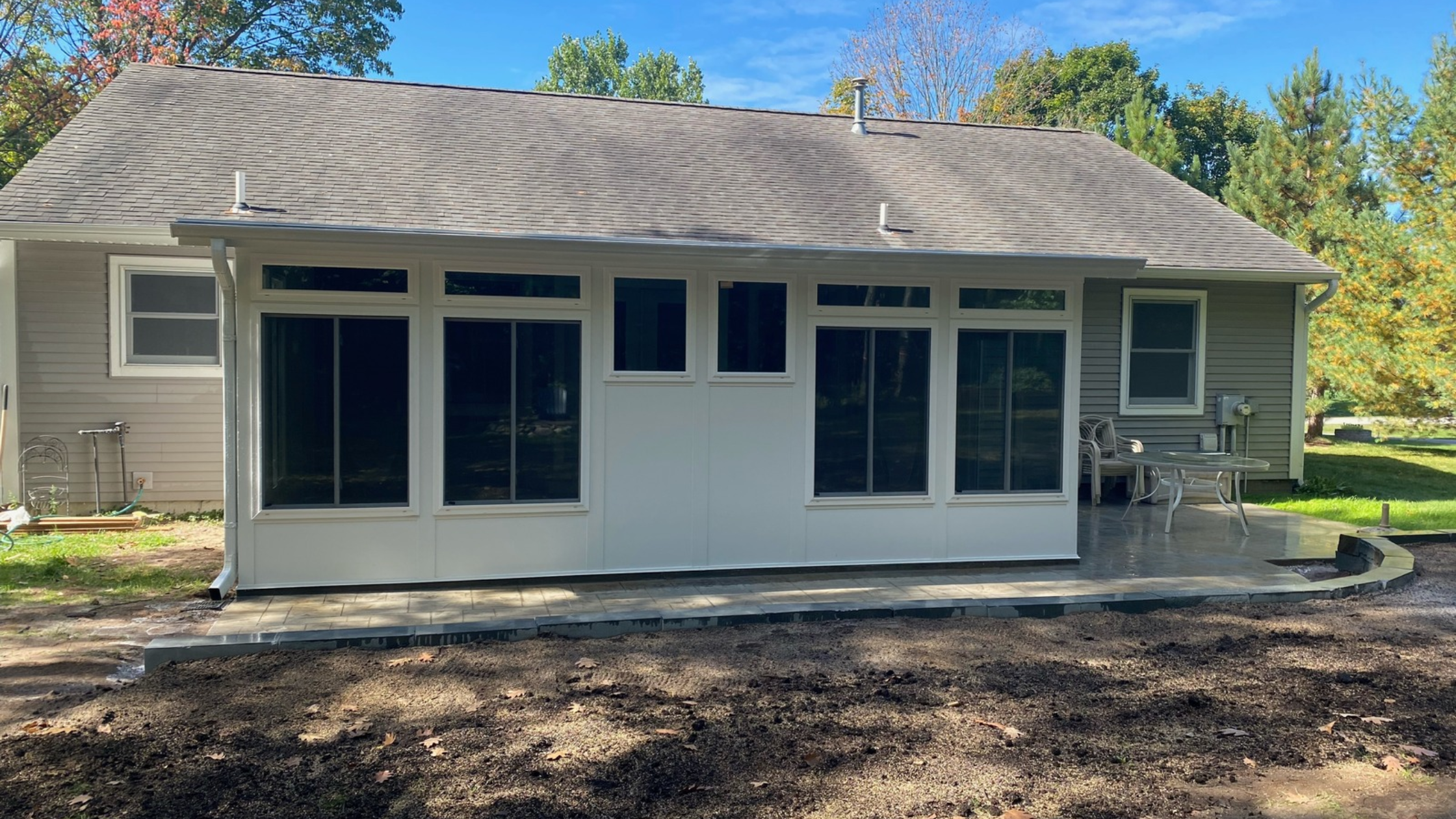
Large windows expose furniture, rugs, artwork, and fabrics to more sunlight than many conventional rooms receive.
Materials intended for areas with substantial sun exposure may retain their appearance better over time. Window treatments can also help manage direct sunlight during the brightest parts of the day.
Washable rugs, durable upholstery, and easy-to-clean surfaces can be useful when a sunroom connects directly to a deck, patio, or backyard.
Which Sunroom Upgrades Offer the Best Value?
The answer depends on what "value" means for your household.
If value means using the sunroom for more months of the year, heating and cooling may deserve priority.
If the room is already comfortable but difficult to use after sunset, lighting could provide a more noticeable improvement.
If glare and afternoon heat are the primary frustrations, shades and ventilation may deliver greater everyday value than decorative upgrades.
A practical way to prioritize improvements is to address them in this order:
- Comfort: Heating, cooling, insulation-related concerns, ventilation, and air circulation
- Usability: Lighting, electrical outlets, shades, and functional flooring
- Convenience: Smart controls, motorized shades, and automated systems
- Appearance: Furniture, decorative lighting, rugs, and other finishing touches
This approach focuses the budget on improvements that influence how frequently and comfortably the room can be used before spending heavily on purely aesthetic changes.
Homeowners considering a new room rather than upgrades to an existing space can explore American Awning & Sunrooms' sunrooms to learn more about available options.
Three-Season and Four-Season Sunrooms Have Different Upgrade Priorities
Before investing heavily in improvements, determine whether you have a three-season or four-season sunroom.
That distinction can affect which upgrades make practical sense.
Upgrading a Three-Season Sunroom
A three-season room is generally intended primarily for use during milder portions of the year. Homeowners may still improve its comfort with features such as:
- Ceiling fans
- Portable or appropriately installed heating solutions
- Window treatments
- Improved lighting
- Comfortable furnishings
- Durable flooring
- Better natural ventilation
However, adding heating equipment alone does not necessarily transform a three-season room into a true four-season living space.
The entire enclosure needs to be considered, including its windows, doors, insulation, construction, and overall thermal performance.
If your primary objective is substantially extending seasonal use, it may be worthwhile to discuss whether upgrading the existing enclosure or pursuing a different sunroom configuration makes more sense.
Upgrading a Four-Season Sunroom
A four-season room is designed with greater consideration for year-round comfort, making climate-control and efficiency-related improvements particularly relevant.
Potential priorities can include:
- Efficient heating and cooling
- Smart temperature controls
- Ceiling fans
- Layered lighting
- Quality window treatments
- Appropriate flooring
- Electrical upgrades
- Smart-home integration
Homeowners considering a sunroom project should evaluate the room as a complete system rather than focusing on a single feature. American Awning & Sunrooms' information about sunroom installation provides additional context for homeowners planning a professionally installed space.
Plan Sunroom Upgrades Around Northern Michigan Conditions
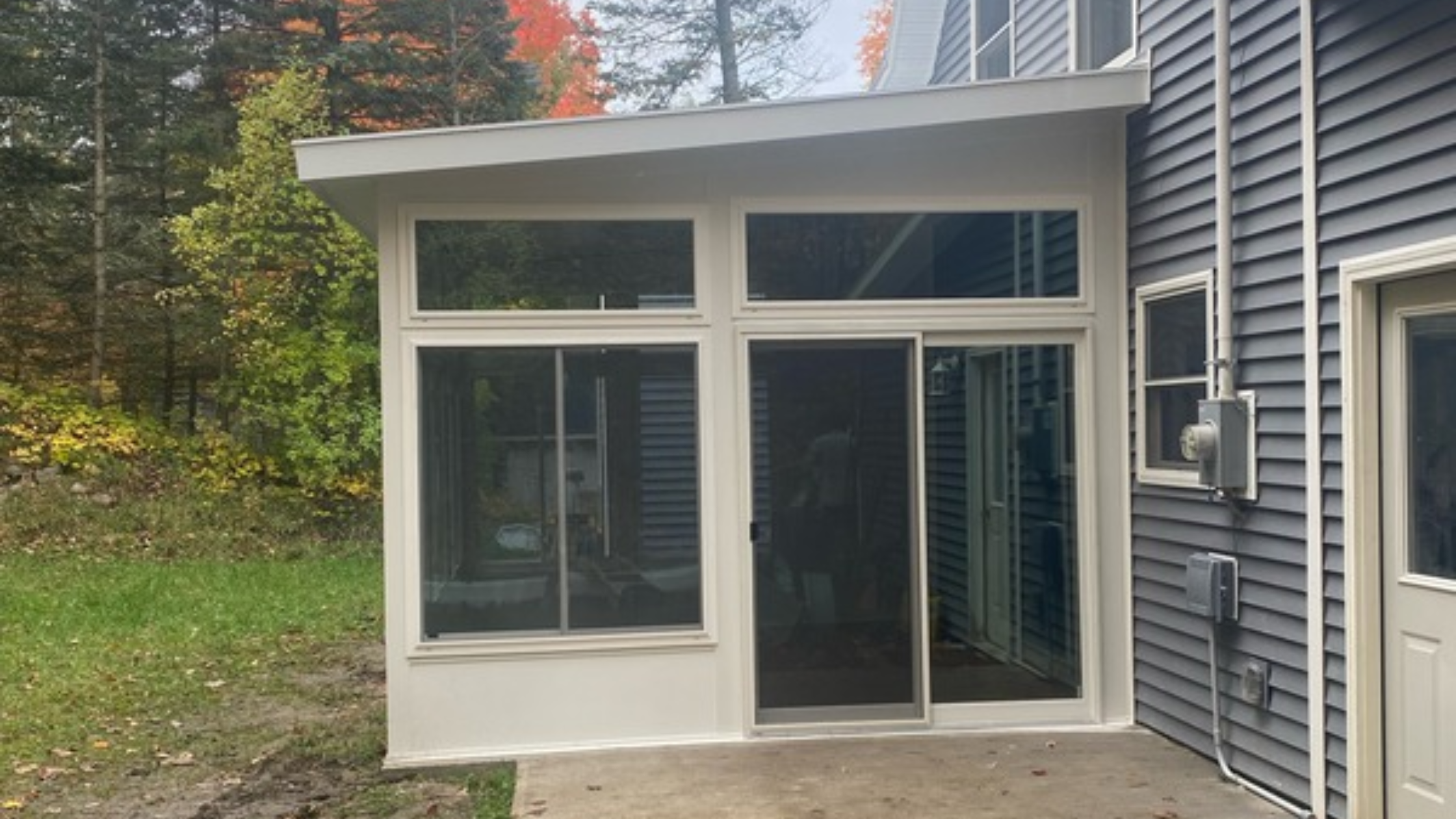
Michigan weather makes careful planning especially important.
A sunroom can experience strong summer sunlight, cool spring and fall temperatures, and substantial winter cold. That seasonal variation means an upgrade that performs beautifully in July may not necessarily solve comfort concerns in January.
Before selecting improvements, consider:
- Which months you realistically want to use the room
- Which direction the largest windows face
- How much direct sunlight the room receives
- Existing insulation and window performance
- Whether the space is currently heated or cooled
- How frequently the room is occupied
- The primary activities that take place there
- Your long-term plans for the home
These questions can prevent homeowners from spending money on upgrades that do not address the room's actual limitations.
For homeowners still deciding whether a sunroom is the right type of outdoor living investment, understanding the benefits of adding a sunroom can provide additional perspective on comfort, functionality, natural light, and usable living space.
Frequently Asked Questions About Sunroom Upgrades
What are the best sunroom upgrades for year-round comfort?
Heating and cooling are among the most important improvements when the room itself is designed for four-season use. Ceiling fans, appropriate window treatments, lighting, and flooring can further improve comfort and functionality.
The best combination depends on the existing construction and how the homeowner plans to use the room.
Is it worth adding heating to a sunroom?
It can be, particularly when the room's construction is suitable for colder-weather use. Heating a poorly insulated or primarily three-season enclosure may not provide the results homeowners expect.
The complete room should therefore be evaluated before selecting heating equipment.
What type of lighting is best for a sunroom?
Layered lighting generally provides the greatest flexibility. Ambient fixtures can illuminate the entire room, task lighting supports activities such as reading, and accent lighting can create atmosphere.
Dimmers can make the lighting system even more versatile.
Are motorized shades worth adding to a sunroom?
Motorized shades can be particularly useful in rooms with numerous windows, tall windows, or significant direct sunlight. They make it easier to manage glare, privacy, and solar exposure without manually adjusting every shade.
Whether the additional cost is worthwhile depends on the number and accessibility of the windows and the homeowner's preference for automation.
Can smart-home technology be added to an existing sunroom?
In many cases, smart lighting, compatible thermostats, shades, fans, and other controls can be incorporated into an existing room. Feasibility depends on the current electrical system, installed equipment, and the specific products selected.
Can upgrades turn a three-season sunroom into a four-season room?
Not necessarily. Adding a heater or air conditioner alone does not automatically make a three-season room suitable for year-round use.
Windows, doors, insulation, framing, flooring, roofing, and other elements of the enclosure may all affect its ability to perform comfortably during Northern Michigan winters. A professional evaluation can help determine what would be required.
Should sunroom upgrades be planned during the original installation?
Whenever possible, yes.
Knowing in advance that you want a ceiling fan, additional outlets, specialized lighting, motorized shades, heating and cooling, or other features can allow electrical and structural requirements to be incorporated into the project from the beginning.
Homeowners beginning the planning process can contact American Awning & Sunrooms to discuss the space, intended use, and available options.
Build a Sunroom Around How You Want to Live

The most worthwhile sunroom upgrades are not necessarily the most expensive ones. They are the improvements that remove barriers between having a sunroom and actually enjoying it.
For one homeowner, that might mean adding reliable heating and cooling so the room remains comfortable for more of the year. For another, it could mean better lighting for evening gatherings, shades that reduce afternoon glare, or a ceiling fan that improves summer air circulation.
Start with comfort and functionality. Then consider convenience and appearance.
Most importantly, treat the room as a complete living environment. Heating, cooling, ventilation, lighting, flooring, windows, electrical planning, and furnishings all influence how the space ultimately performs.
American Awning & Sunrooms helps Northern Michigan homeowners plan outdoor living spaces around their homes, needs, and lifestyles. If you are considering a new sunroom or exploring ways to create a more comfortable and functional space, professional planning can help you identify which features deserve priority.


.svg)